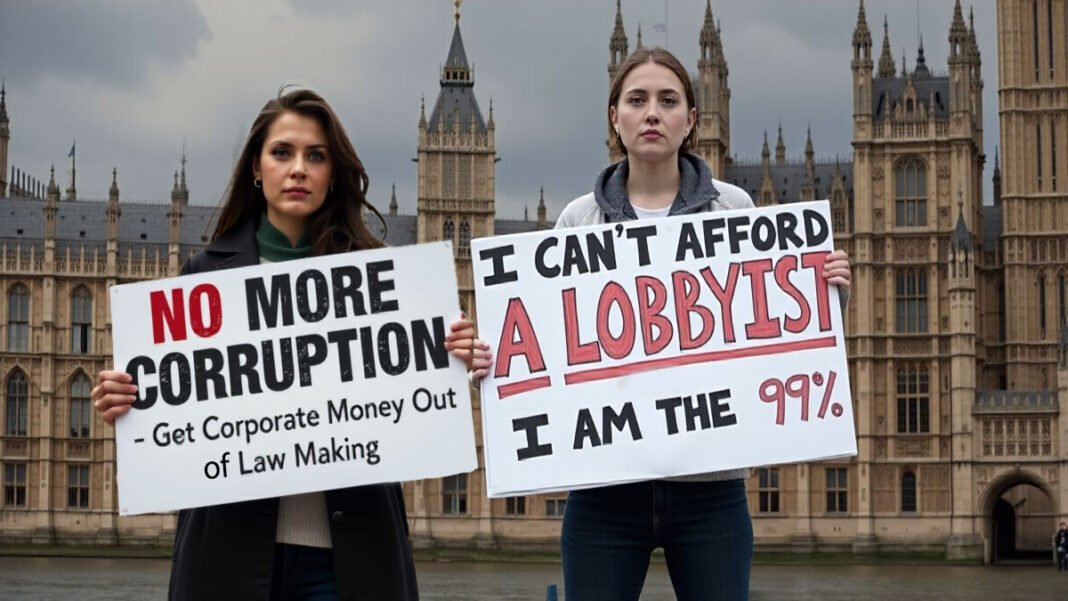
Westminster’s Hospitality Suite
MPs declared almost £400,000 in free tickets and hospitality between January and July this year. Wimbledon, the Chelsea Flower Show, the Brit Awards, and Harry Styles concerts. Corporations aren’t being generous. They’re buying access. It’s time to ban hospitality outrig
An MP should represent the people, not the lobbyist. In Westminster, that distinction has quietly dissolved into something called “hospitality”, and hospitality, it turns out, is remarkably generous to the people who make our laws.
Between January and July this year, MPs declared almost £400,000 worth of free tickets, hospitality and gifts. That figure does not include foreign trips. It covers Wimbledon, the Chelsea Flower Show, the Brit Awards, the Cheltenham Festival, the Grand National, and concerts by Harry Styles and Ed Sheeran. It is not a scandal confined to one party. It is a culture.
Take the Cabinet that Andy Burnham has built since taking Labour’s leadership. Wes Streeting, now Defence Secretary, accepted £1,839 of Chelsea Flower Show hospitality from Lloyds Banking Group. Transport Secretary Heidi Alexander took £1,480 of tickets to the Wimbledon men’s final. Attorney General Ellie Reeves and Burnham’s own deputy, Louise Haigh, each accepted a £1,314 ticket to the Ivor Novello awards. Chief Whip Anneliese Midgley did rather better: £3,432 of Brit Awards hospitality for two, £350 at Cheltenham courtesy of betting firm Flutter, and £560 for the Grand National. Deputy Labour leader and Education Secretary Lucy Powell took an £858 Harry Styles ticket from the PRS, the music industry’s own lobbying body. Burnham himself has declared £6,000 in freebies this year, including £500 for Ladies’ Day at Aintree.
The Conservatives are no cleaner. Kemi Badenoch took a £1,360 Wimbledon ticket from the All England Club. Shadow Chancellor Mel Stride and shadow business secretary Andrew Griffith both took Chelsea Flower Show hospitality worth close to £2,000 apiece, with Griffith adding £1,800 of Silverstone tickets on top. Google and Diageo wined and dined backbenchers on both sides of the House.
None of this is illegal. All of it was declared, which is precisely the problem. Declaration has become the alibi. An MP can accept thousands of pounds from a bank, a betting company or a drinks giant, note it in a register few constituents will ever read, and consider the matter closed. Sue Hawley of Spotlight on Corruption put it plainly: MPs, she said, “appear to have short memories of the freebie-gate scandal” that nearly finished Keir Starmer’s government within months of it taking office. They have learned nothing because nothing was ever asked of them beyond a footnote.
Corporations do not hand out £3,432 nights at the Brit Awards out of civic generosity. Lloyds Banking Group is not funding flower show tickets because it loves horticulture. These are investments, and like all investments, they are made because they pay a return: a door that opens a little easier, a phone call that gets answered a little faster, a minister who remembers who was generous when the policy in question crosses their desk.
Meanwhile, the people these MPs are paid £91,000 a year to represent are left ringing constituency offices that do not pick up, chasing a surgery slot that may or may not materialise. There is no hospitality suite for a working class family waiting on a housing repair or a PIP appeal. There is only the queue.
Westminster does not need another register, another form, another declaration filed and forgotten. It needs MPs who understand that the moment they accept a corporation’s box at Wimbledon, they have accepted a small piece of that corporation’s interest over their constituents’. Until hospitality is banned outright rather than merely logged, the suite stays open, and the surgery queue stays long.

Support The Tribune
INDEPENDENT. READER-FUNDED. AD-FREE.
If you value this article, help keep The Heartlands Tribune publishing independent journalism without intrusive advertising or corporate sponsors.
Choose your monthly amount
Secure payment via GoCardless