Dolly Parton Was the Last Great Class Hero of American Music
The Mountain Girl Who Remembered…
There is a precise moment in the biography of modern American celebrity where wealth ceases to be a tool for self-preservation and becomes a fortress of total isolation. The ultra-rich construct manicured worlds designed entirely to ensure they never again have to smell the air, taste the bread, or look into the eyes of the working poor from whose labour their fortunes were extracted.
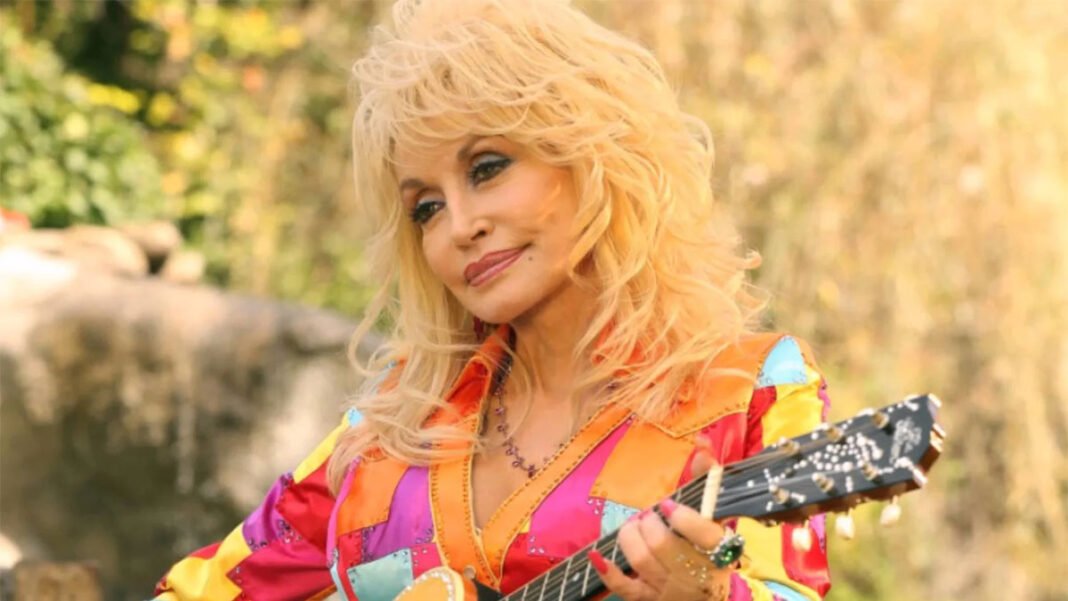
Dolly Parton, who has died at the age of eighty, spent six decades violently defying that iron law of capital.
She was, on paper, a billionaire pop icon, a titan of intellectual property, and an empress of country music. Yet she was perhaps the only figure in the modern cultural pantheon who retained, intact and uncorrupted, a working-class soul. Her life was a masterclass in how to make wealth without surrendering to the insidious amnesia that usually accompanies it.
She was born on 19 January 1946 in a one-room cabin on the banks of the Little Pigeon River in Sevier County, Tennessee, the fourth of twelve children. Her father, Robert Lee Parton, could neither read nor write. He earned his living as a sharecropper and later on building sites, and the story goes that he paid the doctor who delivered Dolly with a sack of cornmeal because there was no cash in the house. Her mother, Avie Lee, kept that huge family fed and sang the old Appalachian ballads her own Welsh ancestors had carried over generations before. Dolly called her childhood “dirt poor but spiritually rich.” It was a description that refused pity, and it was true.
That refusal ran through everything she did. When her mother stitched her a coat from rags and told her the Bible story of Joseph while she sewed, young Dolly wore it to school proudly and was mocked by the other children for it. She turned that humiliation into “Coat of Many Colors,” a song that did not ask for sympathy so much as insist on dignity. Most people who claw their way out of that kind of poverty spend the rest of their lives trying to hide where they came from. Dolly wrote a hit record about it and sang it for the rest of her career.
She guarded what that poverty had taught her about power just as fiercely. In 1974, Elvis Presley wanted to record “I Will Always Love You.” His manager, Colonel Tom Parker, told her the deal came with a condition: half the publishing rights, handed over, or there would be no recording. Parton said no. “This is the most important copyright in my whole publishing company, and I can’t do that,” she told him, by her own account. She cried all night over it. Elvis never recorded the song. Eighteen years later Whitney Houston did, and it became one of the biggest hits in American music history, still Parton’s copyright, still Parton’s money. She understood something the men running the industry around her did not: that owning your own labour is the only real protection a working person has against those with more power than them.
She never treated that understanding as a private victory. When wildfires tore through the Smoky Mountains in 2016 and government relief moved at its usual bureaucratic crawl, Parton’s My People Fund sent displaced families a thousand dollars a month in direct, unconditional payments, no forms to fill in beyond the basics, no hoops to jump through to prove they deserved it. She built Dollywood into the largest employer in that part of Tennessee and paid park workers a wage they could live on, with tuition help most theme parks would never dream of offering.
And she never stopped thinking about the children she once was. In 1995, inspired by a father who never learned to read, she launched the Imagination Library from Sevier County, the same county she was born in. Every enrolled child anywhere in the scheme’s reach gets a free, age appropriate book posted to their home every month from birth until they start school. By last fetes it had passed three hundred million books sent, free, to children whose families could not otherwise have afforded them. It remains one of the largest literacy programmes ever built by a single person, and it was never treated as a tax write off or a photo opportunity. It was personal. She knew what a house with no books in it looked like, because she had lived in one.
Dolly Parton became one of the richest women in American entertainment and never once mistook that wealth for a licence to forget where she came from. She spent it building libraries out of a childhood spent without books, and wages out of a childhood spent in want.
She came from nothing, built an empire, and then spent that empire making sure the next child born on a mountainside like hers would have a book waiting in the letterbox.

Support The Tribune
INDEPENDENT. READER-FUNDED. AD-FREE.
If you value this article, help keep The Heartlands Tribune publishing independent journalism without intrusive advertising or corporate sponsors.
Choose your monthly amount
Secure payment via GoCardless