RAF Fairford Iran Threat: 5 Arrests After Warning
Two months after the Defence Secretary Wes Streeting played down Iran’s threats against British bases, five men are in custody near RAF Fairford. The police have not found an Iranian hand. The real failure is already on the record.
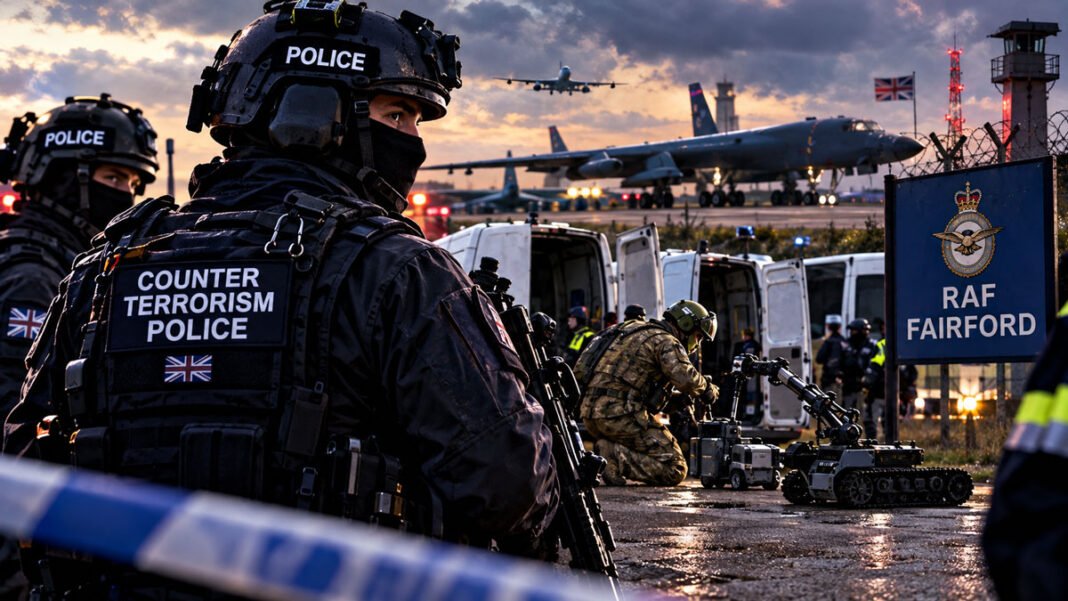
At a quarter to one on Sunday morning, ‘police got a call’ about three vehicles heading towards RAF Fairford. By breakfast, around 85 households in Whelford had been told to leave their homes. A 400-metre cordon surrounded the vans, and an Army bomb-disposal team was working through them. Five men were in custody. They were arrested first under the Explosives Act, then on suspicion of preparing a terrorist act. Counter Terrorism Policing has taken over the investigation.
Two months earlier, the man responsible for the defence of this country told us not to worry too much.
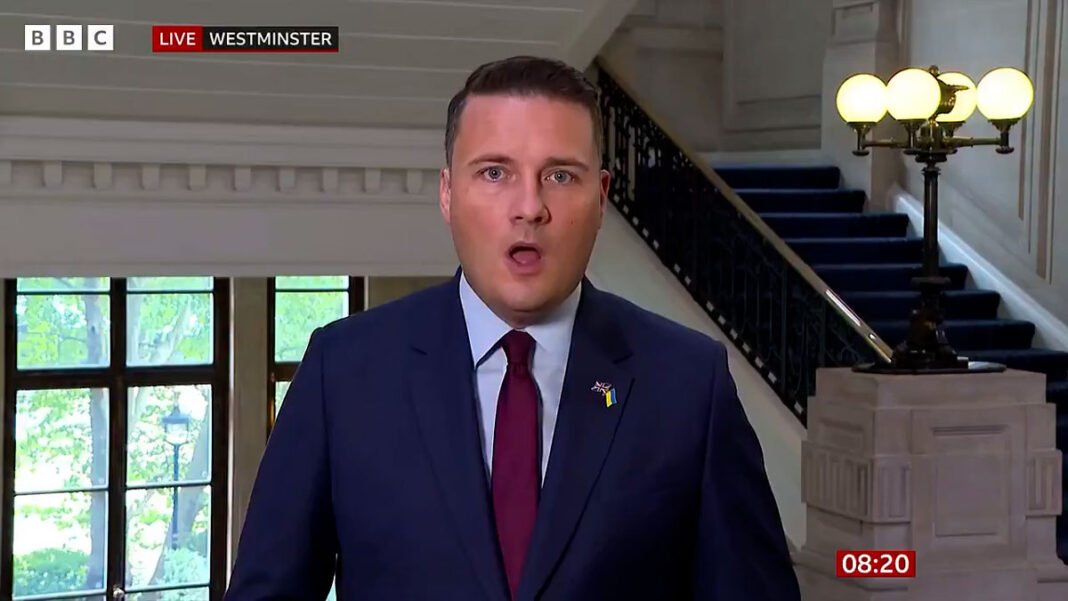
On Sunday 26 July, Iran’s foreign ministry had just warned that Britain would “bear responsibility” for letting American forces strike Iran from British soil. BBC Breakfast asked Wes Streeting whether Iran could target the UK. “I think we shouldn’t put too much stock in the sabre-rattling of Iran,” he said, and added that Britain would not be intimidated. That same month, Iran’s Revolutionary Guards were more specific. According to the Tasnim news agency, they declared any base used to invade Iranian territory a legitimate target, and they cited bomber flights from Fairford by name.
RAF Fairford Iran Threat Was Explicit in July
It is worth being precise here, because precision is what was missing in July. Nobody has established that Iran had anything to do with Whelford. Police have not said who the five men are or what was in those vans. Reports say a possible Iranian connection is one line of inquiry. That is all it is. If this turns out to be something else entirely, this publication will say so.
Refusing to be intimidated is one thing. Telling the public not to take a threat seriously is another.
But the case against Streeting’s answer never depended on how Sunday turned out. There is a fair defence of what he said: a Defence Secretary should not give a hostile regime the satisfaction of visible British panic, and some composure comes with the job. Agreed. But refusing to be intimidated is one thing, and telling the public not to take a threat seriously is another. The first is resolve.
The second is a judgement about risk, and it was a poor one. British security officials have repeatedly said that proxies linked to Iran were behind arson and sabotage attempts on British soil, and they have warned that Tehran could widen its targets if the war dragged on. The threat was not theoretical when Streeting dismissed it. It was already in the government’s own intelligence reporting.
Then there is the part Westminster would rather we skipped. Fairford is not a random dot on a map. It became worth threatening because of a political choice. In March, Keir Starmer allowed American bombers to fly what he called “specific and limited defensive” missions against Iran from Gloucestershire. Burnham inherited that arrangement and kept it. There was no vote in Parliament, and no honest conversation with the people living beside the runway. Nobody asked Whelford whether it wanted to host the launch pad for a war the government insists it is not fighting. The residents were simply woken in the night and sent to the leisure centre.
That is the real charge. The problem is not one clumsy phrase from a minister. It is that a government put British soil in the line of fire and then told the public the fire was mostly noise.
Streeting should now answer three questions, in Parliament rather than on a breakfast sofa. What security assessment lay behind his July remarks? What was done to protect Fairford and the villages around it? Does he still think the threat deserves so little attention? And MPs should finally get a vote on whether British bases go on serving this war.
You cannot lend out the runway and then call the consequences sabre-rattling.